
The State of Alaska is requesting that a judge throw out a lawsuit alleging the Division of Elections violated Alaskans’ right to privacy when it shared voter information with the federal government last December.
Read more Mat-Su moves ahead with school concealed carry program using state, taxpayer funds
The state turned over the voter list, including drivers licences numbers and addresses, after a series of requests from the Department of Justice.
The League of Women Voters and the Alaska Black Caucus filed suit in April against Division of Elections Director Carol Beecher and Lt. Governor Nancy Dahlstrom. Dahlstrom oversees the state’s elections as lieutenant governor.
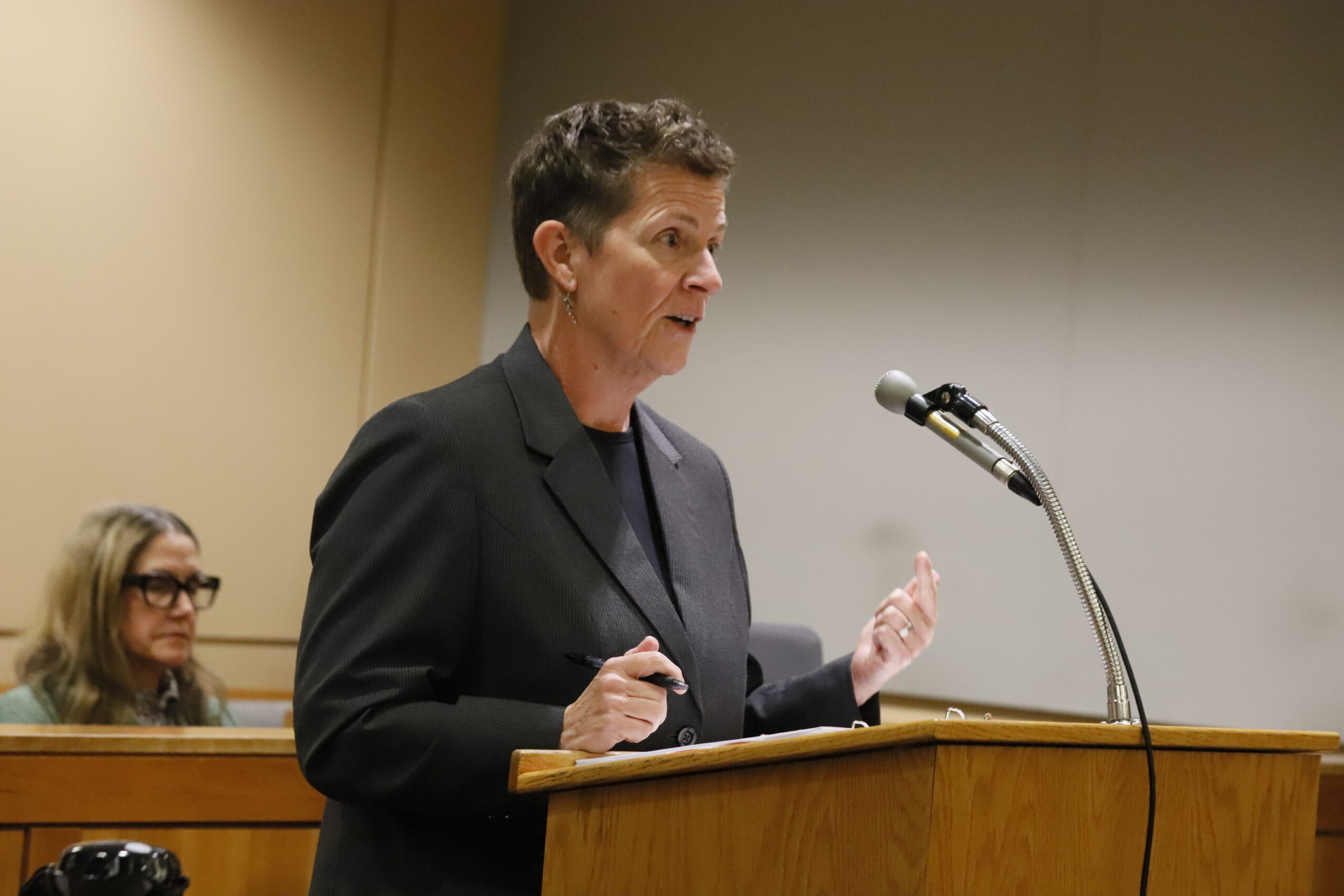
During oral arguments in state Superior Court Wednesday, state attorney Margaret Paton-Walsh, representing the defendants, said the plaintiffs allege the Justice Department intends to use the voter information unlawfully. But she said it’s impossible to know for certain what the federal government will do with it.
“Without that critical factual development, this court can only guess whether the division’s conduct will present any legal problems, much less meet the specific elements of the claims alleged by the plaintiffs here,” Paton-Walsh said. “To decide these claims now, you will have to engage in the writing of fiction.”
Under the state’s agreement with the Department of Justice, the state is obligated to purge voters from its rolls who the federal government identifies as ineligible within 45 days.
Paton-Walsh also argued, in part, that the information the division shared with the federal government doesn’t rise to the level of sensitive personal information. She cited a definition of sensitive personal information from the Alaska Supreme Court that described it as something that if disclosed, “could cause embarrassment or anxiety, or could cause humiliation, harassment, or economic or physical reprisals.”
“Your name, your date of birth, your residence address, your driver’s license number, the last four of your Social [Security Number,]” Paton-Walsh said. “I don’t think any… I mean, where is the embarrassment or the humiliation?”
Read more After rain experiment near Homer, borough assembly seeks regulations
American Civil Liberties Union of Alaska attorney Cindy Woods represented the plaintiffs.The databases that the federal and state government have used have misidentified some voters as ineligible, she argued.
“The Department of Justice is relying on faulty databases and attempting to find non-citizen voters and other voters who might be ineligible,” Woods said. “And we also know that the Division of Elections has been undertaking non-routine measures in activating voters based on known faulty citizenship information and outside of their authority granted in the Alaska statutes.”
In that case, Woods said, the information being disclosed does constitute sensitive private information as defined by Paton-Walsh.
“These are all key components of identity theft, and putting those in the hands of a government who has mishandled sensitive information would cause anxiety to any rational actor,” Woods said.
Superior Court Judge Adolf Zeman said he would issue a decision on whether to dismiss the lawsuit soon.
Alaska isn’t the only state the Department of Justice sought voter rolls from. A number of states, many led by Republicans, have challenged the Trump administration’s request. In at least three states, federal judges have rejected the department’s efforts to obtain voter rolls.
Read more 2 die in plane crash departing moose camp near Aniak