
Charlie DeWitt has big plans for around 4 a.m. on Monday.
As long as the tides are right, he’ll rise early and set out to fish for king salmon for the first time in more than a decade. DeWitt is eager to catch one, but he’ll also be focused on something else: honoring his late friend, Lawrence Willard.
Read more Anchorage lawmakers and residents push back on JBER fence proposal
“It almost makes me choke up. But him and I were great friends, and we loved to king salmon fish,” DeWitt said after shutting off his kelly green gillnetter, the Tiffany Lee. “I’ve got his ashes yet. The first king that I catch, I’m going to dump his ashes on that fish and let the fish go.”
In 2015, the Alaska Department of Fish and Game closed the Chilkat king sport fishery due to years of poor returns. The state decided to reopen the fishery this year, citing stronger runs that have started surpassing escapement goals more consistently.
DeWitt is excited to get back out there. But he’s also among those locals who say they’re concerned about overfishing.
“It just really irritates me that they’re not being more conservative,” he said.
Fish and Game made the call to reopen the fishery based on data that shows how many kings make it back into the Chilkat River to spawn each year. The annual escapement goal for the Chilkat is between 1,750 and 3,500 fish.
For much of the 2010’s, the run did not meet that goal – which led to the closure. But Area Management Biologist John Whitinger said that’s shifted recently.
“For the last six of seven years, we have met and exceeded escapement goals that historically we would have opened the fishery for,” he said.
The move comes as communities across Alaska and the Pacific Northwest grapple with long-term declines in king runs. Along the U.S. West Coast, kings are not staying out in the ocean as long as they used to, which means they’re coming back to spawn when they’re younger and smaller. That’s making the runs less resilient.
“Something is chasing them out of their rearing grounds in the Gulf and the Bering, and they’re coming back sooner,” said Brian Elliot, a king salmon biologist with Fish and Game. “And we’ve seen this coast-wide, all the way down to Oregon.”
The closure in Haines was among a long list of restrictions and closures by Fish and Game to reduce king fishing across the state. Still, regulators say recent data supports reopening the Chilkat sport fishery.
“There’s a lot of things that are telling us that it’s okay to be open,” Whitinger said. “And the moment one of those things starts to break down, we hit the button.”
Starting June 15, people will be able to fish for kings in the Chilkat and Chilkoot Inlets. For now, there’s one exception: north of Kochu Island on the Chilkat side.
Whitinger said that “will allow most of the fish to be already up into the river, or at least past this line.”
Non-residents may catch one fish a day that is 28 inches or longer, and three total before the end of June. After that, they can only catch one, as long as they didn’t catch any in the first half of the year.
Read more Juneau Assembly addresses fairness issue regarding glacial outburst flood wall funding
Alaska residents are permitted to keep two fish per day – with no yearly limit.
Ken Gross, a former commercial fisherman who now runs a king salmon charter boat, said the move won’t have a major effect on his business, which is generally a catch-and-release operation.
Generally speaking, Gross said, opening the fishery is a welcome move. But he thinks it should only be accessible to Alaskans.
“Just open it up for residents, because the problem is king salmon still are in short supply,” Gross said.
Chris Olsen is a commercial crabber and gillnetter who grew up fishing for kings near Haines. He says he’s not really in support of the decision to open the fishery at all.
“It’s been a tough road to get the stocks back to what they needed to be in the rivers,” Olsen said.
Still, he conceded that if he weren’t so busy with his commercial operation, he would “probably go out and throw a line in the water and try and catch a king.”
Both Whitinger and Elliot, of Fish and Game, said they understand local concerns. But they emphasized that they will closely monitor the run to determine whether the department should reverse course.
“We can hit the stop button whenever we want,” Whitinger said. “And next year we will go through the same exact process about deciding whether or not it needs to be open or not.”
Starting June 10, the department will begin its lower river assessment, which will provide a better idea of the strength of this year’s run.
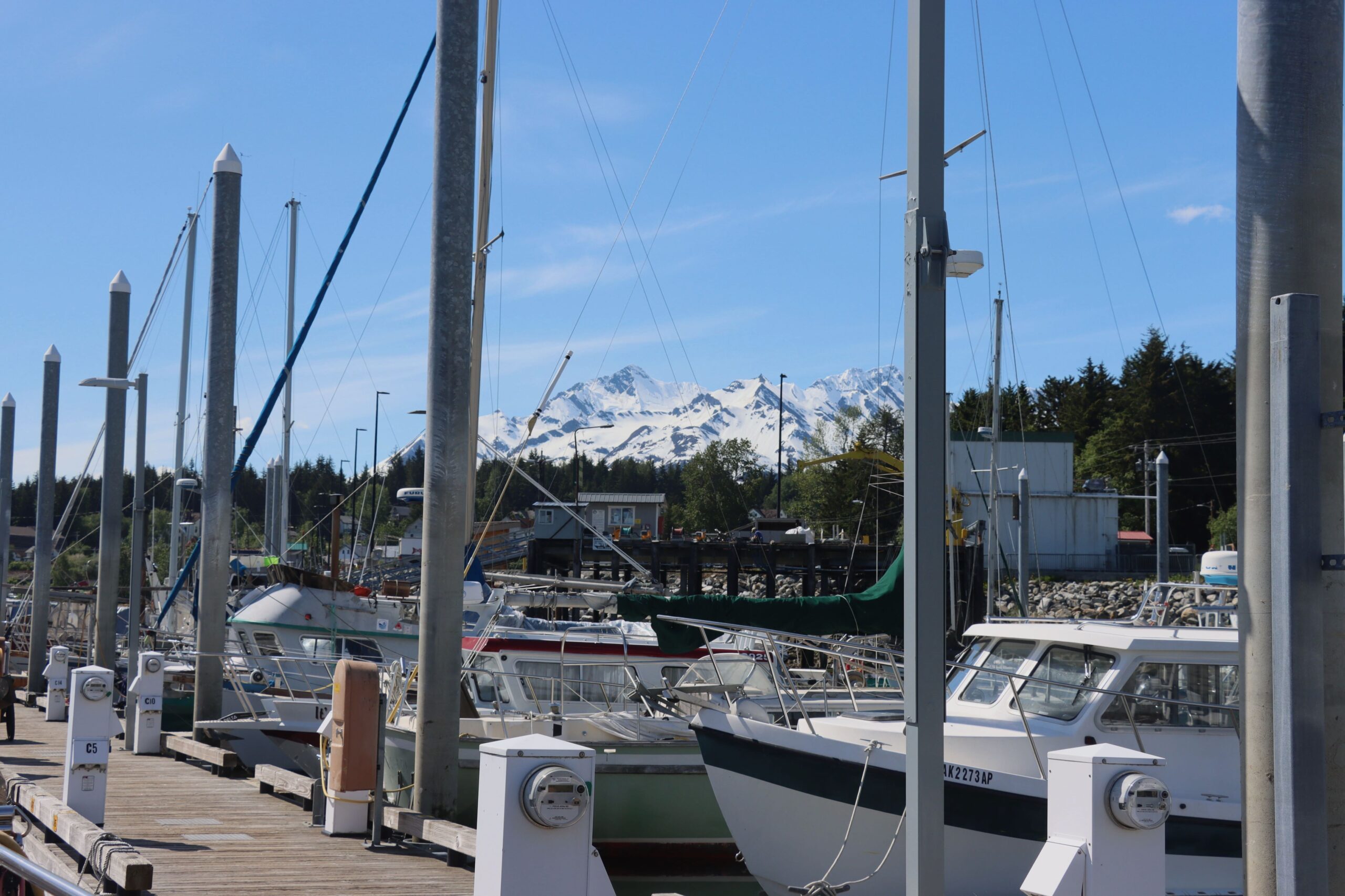
Back in the harbor, DeWitt said that despite his concerns about the Chilkat run’s long-term viability, the opener means his family can resume a tradition that spans generations. His son Stuart DeWitt said the same.
“My kid’s been down here fishing every day to catch dollies,” Stuart DeWitt said. “He’s gonna lose his mind when he gets a king salmon on his rod. He’s gonna be hooked.”
The younger DeWitt thinks reopening the fishery makes sense based on the data. Still, he said, the bag limit should be lower.
Read more Inflation tops 4% for the first time in 3 years on spike in gasoline prices