
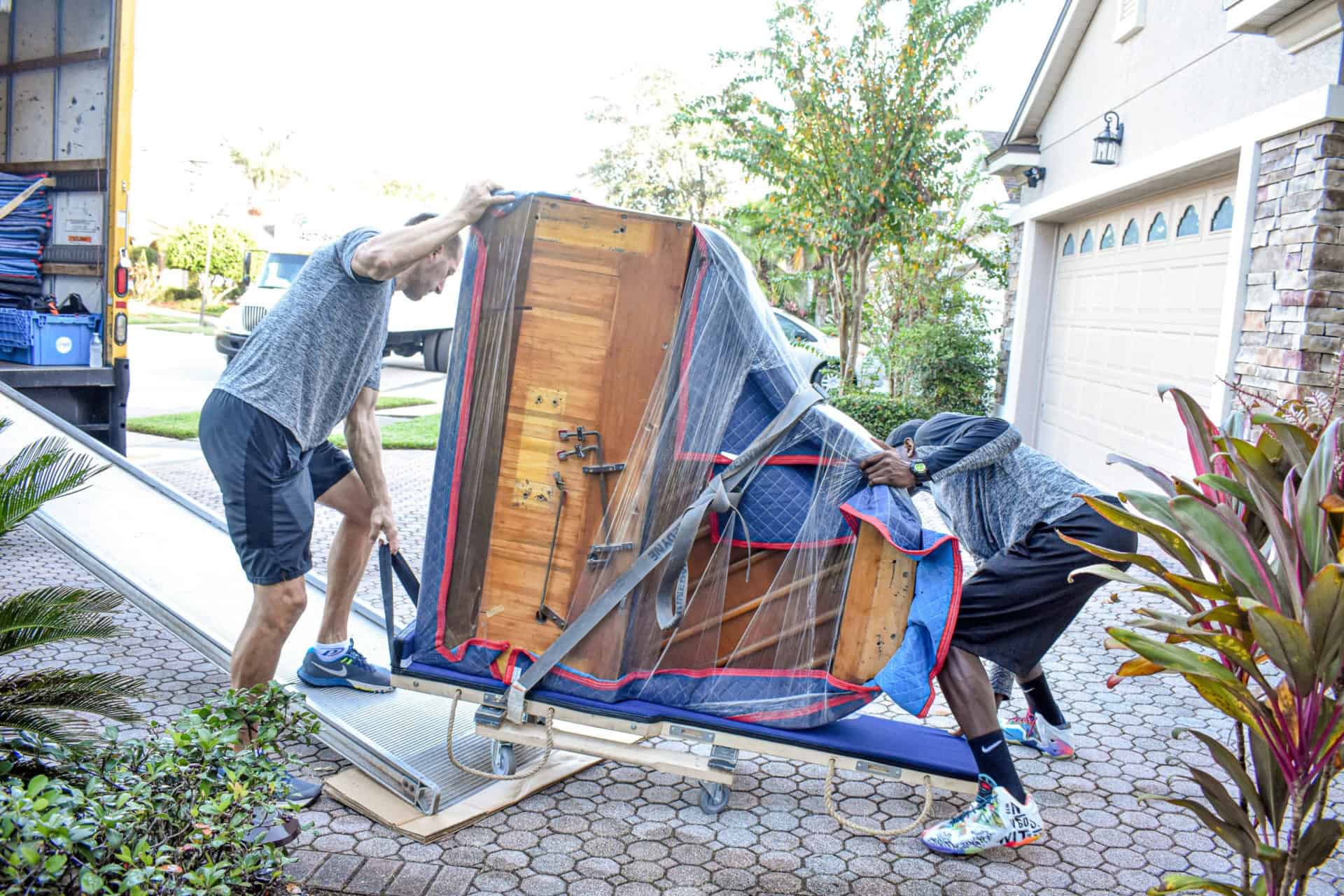
An upright piano may look compact compared with a grand piano, but its weight, internal components, delicate finish, and awkward shape make transportation a specialized task. Simply placing it on a dolly and pushing it toward the door is not an appropriate moving strategy.
Professional preparation begins well before the piano reaches the truck. The instrument is inspected, its surroundings are assessed, vulnerable components are protected, and the route is planned so that every stage of transportation can be completed with controlled handling.
The Piano Gets a Detailed Pre-Move Inspection
Before moving an upright piano, professionals first examine its condition.
They look for existing scratches, loose components, damaged legs, unstable casters, finish imperfections, and other issues that could affect handling.
Price Movers provides specialized piano moving solutions as part of its large-cargo services. Information about the company’s moving options is available at https://pricemovers.com/.
Existing Damage Should Be Documented
Photographs can establish the piano’s condition before transportation begins.
Close-up images of existing marks, along with wider photographs showing the complete instrument, create a useful record. This is particularly important when the piano has a valuable finish or has already undergone restoration.
The Route Is Planned Before Lifting Begins
An upright piano’s dimensions can make certain routes impossible.
Professional piano movers examine the path from the instrument’s current location to the loading area. Doorways, hallways, staircases, corners, thresholds, elevators, and exterior steps all need consideration.
Measurements Matter
A doorway that looks wide enough may become too narrow once protective materials are added around the piano.
The route should therefore be assessed with the prepared instrument in mind, not merely its bare dimensions.
Loose Accessories Are Removed
Before handling begins, removable accessories and personal belongings around the piano should be cleared.
Items placed on top of the instrument, music books, decorations, lamps, and other loose objects can interfere with preparation or fall during movement.
The piano’s bench should also be handled separately when appropriate.
The Exterior Is Carefully Protected
The cabinet and finish can be vulnerable to scratches, impacts, and contact with walls or door frames.
Professional piano moving involves using appropriate protective materials around the instrument.
Corners Require Particular Attention
Corners and projecting sections are natural contact points when an upright piano is maneuvered through tight spaces.
Additional protection can help reduce the risk of surface damage while the piano is being moved through doorways and around corners.
Protective materials should be secured carefully without creating unnecessary pressure against delicate finishes.
The Keyboard Area Receives Special Attention
The keyboard is one of the most recognizable and sensitive sections of an upright piano.
The lid and keyboard area should be secured appropriately before transportation. The goal is to prevent unnecessary movement while the instrument is being maneuvered and loaded.
Professionals also consider the position and stability of the piano’s internal structure rather than treating the instrument as an ordinary piece of furniture.
Specialized Equipment Helps Control the Weight
An upright piano is heavy, and its shape makes manual carrying particularly difficult.
Professional crews use appropriate moving equipment to control the instrument during lifting, rolling, loading, and unloading.
The dedicated Price Movers piano moving service can be reviewed at https://pricemovers.com/services/moving-of-large-cargo/piano-moving.

Equipment Is Selected for the Property
The right approach depends on the route.
A ground-level pickup may present very different requirements from a piano located on an upper floor with stairs. Narrow passages, steps, slopes, and limited exterior access can all influence the equipment and number of movers required.
Stairs Require Deliberate Handling
Moving an upright piano down or up stairs introduces additional risks.
The instrument must remain controlled while its weight shifts between different points of support. The crew needs to coordinate movement rather than allowing the piano to roll or slide unpredictably.
This is one of the situations where professional handling can be particularly valuable.
The Truck Loading Position Matters
Preparation does not stop once the piano reaches the vehicle.
The instrument needs to be positioned securely for transportation. Other household goods should not be placed in a way that could allow them to press against the piano or shift into it during transit.
The loading strategy should reflect the piano’s dimensions, weight, and protective covering.
Avoid Treating the Piano Like a Box
An upright piano contains a complex internal assembly that should be handled thoughtfully.
Its weight distribution, construction, and sensitivity to impacts make careless loading inappropriate. Professional movers consider these factors when determining how the instrument should be secured.
The Destination Should Be Ready
Before delivery, the destination route should be checked as carefully as the original property.
Clear the doorway, hallway, staircase, or other access path. Decide where the piano will ultimately stand so that unnecessary repositioning is avoided.
If the destination is undergoing renovation, complete flooring and other major work beforehand whenever possible.
Allow the Instrument to Settle After Transportation
Once the piano reaches its new location, environmental conditions may differ from those at the original home.
Temperature, humidity, flooring, and the surrounding room can all affect the instrument. Depending on the circumstances, the piano may require time to acclimate before tuning.
A professional piano moving plan therefore includes more than getting the instrument from one address to another. Inspection, documentation, route planning, protective preparation, specialized equipment, controlled loading, and destination preparation all contribute to a safer relocation.
When an upright piano is treated as a specialized instrument rather than simply a heavy household object, the moving process becomes considerably more deliberate from the first inspection to the moment the piano is positioned in its new room.