

A single-family home move has a way of revealing just how much a household accumulates. What looks like a few rooms from the outside can include bedrooms, a garage, patio furniture, appliances, storage boxes, tools, and years of personal belongings.
For Clearwater homeowners, organizing all of this around one moving day requires more than simply hiring a truck. The property layout, furniture dimensions, packing order, and destination setup should work together so that loading and unloading follow a logical sequence.
Begin With the Parts of the Home People Forget
The main living areas are easy to remember. Garages, closets, attics, sheds, patios, and outdoor storage are where many moving plans become inaccurate.
Walk through the entire property and make a list of what is actually going to the new home. This is also an opportunity to remove possessions that are no longer useful.
Reducing the shipment before packing can save space and make the eventual unpacking process considerably easier.
Check the Route From Each Room
Large furniture does not move directly from the living room into the truck. It has to pass through doorways, hallways, stairs, gates, and outdoor areas first.
Identify narrow sections of the route and measure oversized pieces such as sofas, wardrobes, beds, dining tables, and cabinets. Some furniture may be easier to transport after careful disassembly.
Give Heavy Furniture a Specific Plan
Furniture often determines the order of a residential move. Large pieces occupy considerable truck space and can become difficult to handle if smaller boxes are loaded around them too early.
Protective blankets and appropriate wrapping can help reduce scratches and impacts while furniture is being carried through the property and transported.
Homeowners should also identify especially valuable or delicate pieces before moving day. Antiques, artwork, large mirrors, specialty furniture, and sensitive electronics may need additional preparation.
Pack According to the New House
Packing becomes more useful when boxes are organized around their eventual destination.
Instead of creating generic boxes, group belongings by room. Kitchen supplies can remain together, bedroom items can be separated, and home-office equipment can be clearly identified.
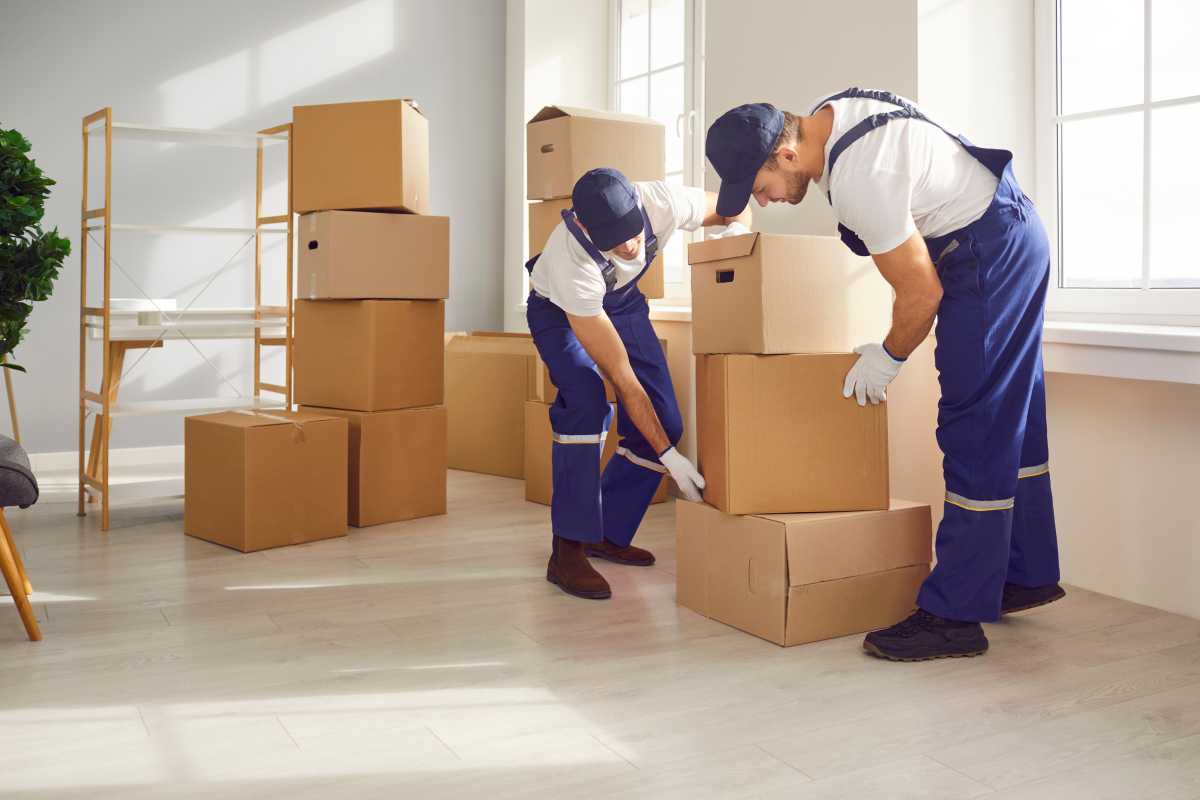
Dunedin Movers https://dunedinmovers.com/ can provide professional support with the physical side of a household relocation, including the handling and transportation of furniture and other belongings.
Make an Essentials Kit
The first evening after a move is not the time to search through every box. Keep medication, chargers, toiletries, important documents, basic clothing, and other daily necessities separate from the main shipment.
A clearly marked essentials bag can make the first few hours in the new home much easier.
When Movers in Clearwater Can Help
The amount of assistance needed depends on the household. Some homeowners are comfortable handling packing themselves but want help with heavy furniture and transportation. Others may prefer support with several stages of the move.
Movers in Clearwater can assist with loading, transportation, unloading, furniture handling, and other practical aspects of residential relocation.
Professional help can be especially valuable when a single-family home contains numerous large pieces, multiple bedrooms, a garage full of equipment, or belongings that are difficult to move safely without additional manpower.
Do Not Leave the Garage Until Last
Garages can add surprising volume to a household shipment. Tools, shelving, bicycles, workbenches, storage containers, lawn equipment, and recreational items should be included in the inventory.
Sorting these possessions early makes it easier to estimate the amount of truck space required and prevents a rushed final stage of loading.
Prepare the Destination Before Delivery
A move is only half finished when everything reaches the new property. Before unloading begins, decide where major furniture should be placed.
Beds, sofas, dining tables, cabinets, and other large pieces can go directly into their intended rooms. Boxes can then follow according to their labels.
This approach prevents the new home from becoming a temporary warehouse where everything has to be moved again.
Storage for a More Flexible Move
Sometimes a homeowner cannot place every possession in the new property immediately. Renovations, closing dates, downsizing, or a temporary transition can create a need for additional space.
Storage allows selected furniture and household goods to remain out of the way until the home is ready. It can be particularly useful when homeowners want to furnish rooms gradually rather than unpacking everything at once.
A single-family home relocation in Clearwater becomes much easier to control when the entire property is considered before moving day. From forgotten garage contents to oversized living-room furniture, a complete inventory and destination-based plan can turn a demanding household move into a far more organized transition.